Growing up, I loved watching the television show American Gladiators. The show pits their “gladiators” against the average Joe. You would watch as the bulked-up, aggressive, and talented gladiators went head-to-head with someone like you or me.
The size of the average Joe was considerably smaller than that of the gladiator. You would be on the edge of your seat, rooting for the gladiators and subtly cheering on the underdog. It was always a treat when the competitor won. The upset would have the arena erupt with cheers.

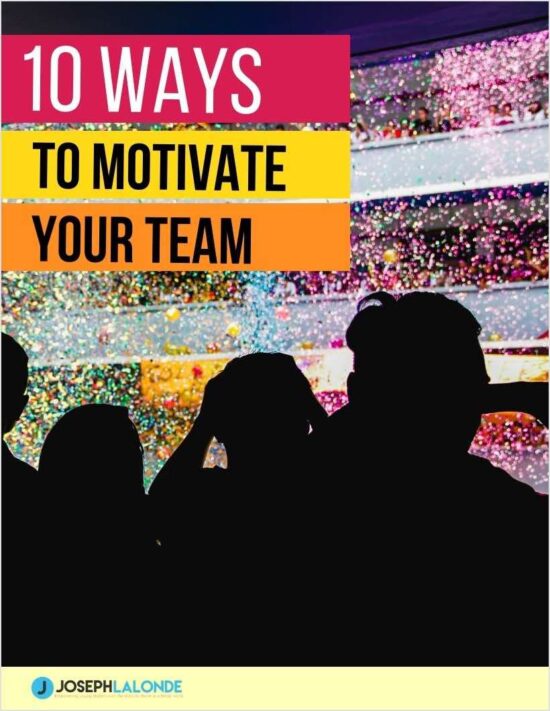
Photo by Keiron Crasktellanos on Unsplash
However, there were dark days behind the filming of the American Gladiators. In interviews with the cast and crew, Netflix created the documentary Muscles & Mayhem: An Unauthorized Story Of American Gladiators. It was a short five-episode series documenting the scandals, love, and downfall of the American Gladiators brand.
Head Executive Dick Askin commented during the documentary that the show was initially aimed at a male audience of 18-34 year olds. This was an adult audience. However, the audience demographic changed over the seven-year lifespan of American Gladiators. Producer Eytan Keller stated that American Gladiators garnered a large audience of kids. The American Gladiators were now role models for young kids.
You Are A Role Model
Watching Muscles & Mayhem, you get a behind-the-scenes glimpse into the filming and cast of American Gladiators. The American Gladiators became a rotating cast of physical prowess. You had:
- Danny Lee Clark as Nitro
- Jim Starr as Laser
- Michael M. Horton as Gemini
- Raye Hollitt as Zap
- Lori Fetrick as Ice
- Sha-Ri Pendleton as Blaze
- Debbie Clark as Storm
- Steve Henneberry as Tower
- and others
These men and women were beasts. Their muscles were bulging. They were bulky but moved with grace and ease.
How did they get to that point? Rumors swirled that the gladiators were taking steroids to enhance their bodies. For a kids’ show, this became taboo and a no-no. You couldn’t be promoting a show toward kids while having the cast take illegal or illicit drugs.
Askin and Keller recognized this issue. They saw the shift in demographics from adults to kids. And they knew they had to put a stop to any kind of steroid abuse that may be going on. The gladiators were role models.
Guess what? You’re a role model as well. You may not think of yourself as such, but think about it. You have influence over the people you lead and in your life.
You’re a role model to:
- Your kids
- Johnny in accounting
- Susan in production
- Your team members
People are looking up to you. They’re watching your moves. They want to emulate you.
That makes you a role model.
I want you to consider this: Are you leading like a role model? Should people desire to emulate you?
You’ve got new generations of leaders looking up to you. They will do what you do (or, if you’re a terrible leader, do the opposite of what you’ve done).
You have a responsibility to this upcoming generation of leaders. To those you lead. You need to be the leader others should follow.
Check your actions. Check your responses. Are they of a respectable leader? Are they showing others what they could become?
You are a role model. Now act like it.