Have you heard of an alert circle? It’s something elephants do instinctively. When there’s a threat of danger, the older elephants in a herd gather around the young elephants. The elder elephants can then assess the threat and risk to the rest of the herd.
On April 14th, an earthquake rocked California. The quake even hit the San Diego Zoo. What was captured on film was an example of an alert circle.
As the quake shook the zoo, elder elephants Ndlula, Umngani, and Khosi formed the circle as the young elephants Zuli and Mkhaya moved to the inner circle. Ndlula, Umngani, and Khosi formed a protective barrier around the youngsters. It was a sight to see the video footage.
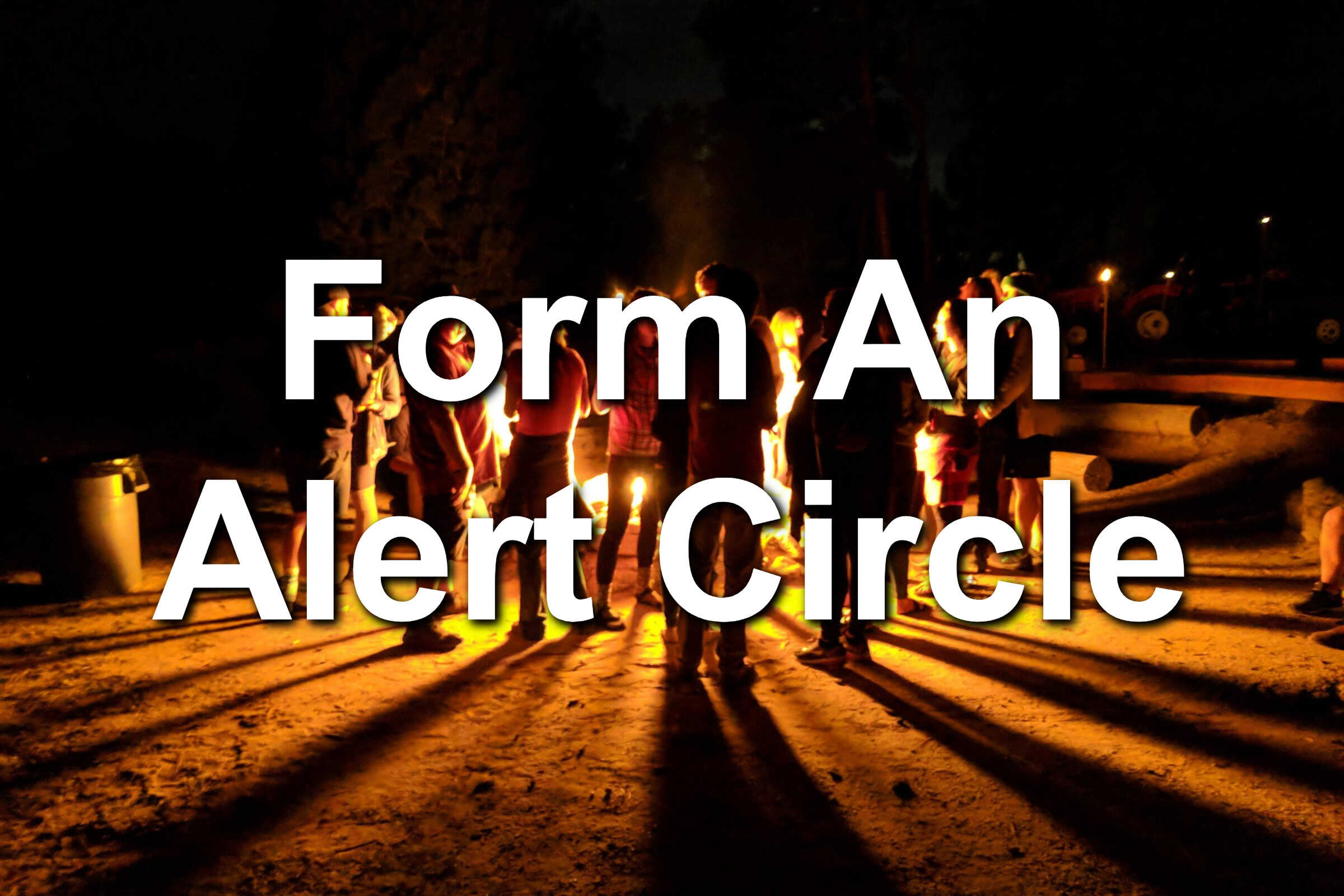
Form An Alert Circle
What these elephants did was instinctual. Their actions have been bred into them to protect the herd and the younger elephants. I believe leaders need to consider forming alert circles. These circles would help protect the organization’s vulnerable, unheard, and up-and-coming leaders.
What would this look like for you? What can you do to form alert circles? Let’s follow the example of these elephant herds.
1. Recognize danger:
The elephants felt and heard the ground rumble. They knew there was a possibility of danger. They began to move into the alert circle to protect the herd.
As leaders, there are always warning signs that danger is coming. You may hear grumbling from other employees. You may see sales waning. You may see customers switching suppliers.
Recognize there’s danger. It’s okay to admit something is happening or changing. It’s business. Change happens. Sometimes, there’s danger.
2. Examine the landscape:
Once the elephants sensed danger, they clustered together. However, before that, the elephants can be seen looking around their environment. They’re looking to see where the threat is coming from.
You’ve recognized there’s danger. You felt the quakes within the organization. Now, before you circle up, examine the landscape. You may:
- Look for what’s changed
- Who is there and who isn’t
- Watch for more danger/challenge
- Find the best spot to weather the storm
Your business landscape will need to be examined. You’ll have to see where the danger is coming from, where the best vantage point is, and where to huddle up.
3. Form the alert circle:
The three elder elephants begin to move to the gathering point. The younger elephants see this. As the elder elephants move to form the outer circle, the younger elephants move to the middle of the circle. The older, wiser, stronger elephants now surround them.
Most organizations have multiple leaders. It may be over different departments, higher and lower level leadership, or shared resources between different organizations. You then have your team members. They’re the ones you’re there to protect.
Gather your team members together, along with two or more other people in leadership. Have the leadership team circle around them to offer protection. It’s not going to be a physical gathering. It’s going to be a mental, emotional, and spiritual circle.
You’ll stand in the gap to make sure you take the brunt of the danger. You will be there to listen, encourage, and accept responsibility for what’s happening.
You will be on the outside of the circle so that the team will be protected.
4. Break the alert circle:
What we don’t see in this video is when the elephants break the circle. They stay in the formation for many minutes until the elder elephants feel the danger has passed. Then, they disperse.
Healthy organizations can’t stay in an alert circle indefinitely. They have to break apart so things can go back to normal.
Watch for signs that the danger has passed. When it has, break the circle. Allow for normalcy to resume.