Set against the rugged beauty of a Southern ranch, “Searching for the Elephant’ is a powerful drama that follows Jason Bowden, struggling with addiction, as he reconnects with his estranged Vietnam‑veteran grandfather, Griff, who’s facing the challenges of PTSD. Jason is facing threats from debt collectors, which are compounded by family tension. Forced by the tough love of his stepmother to live on Griff’s Southern ranch for a year, it is an intense, raw, and authentic portrayal of the challenges faced not just by Jason and Griff but also by those who love them. Perhaps surprisingly, the leadership lessons for individuals and organizations are also very strong.
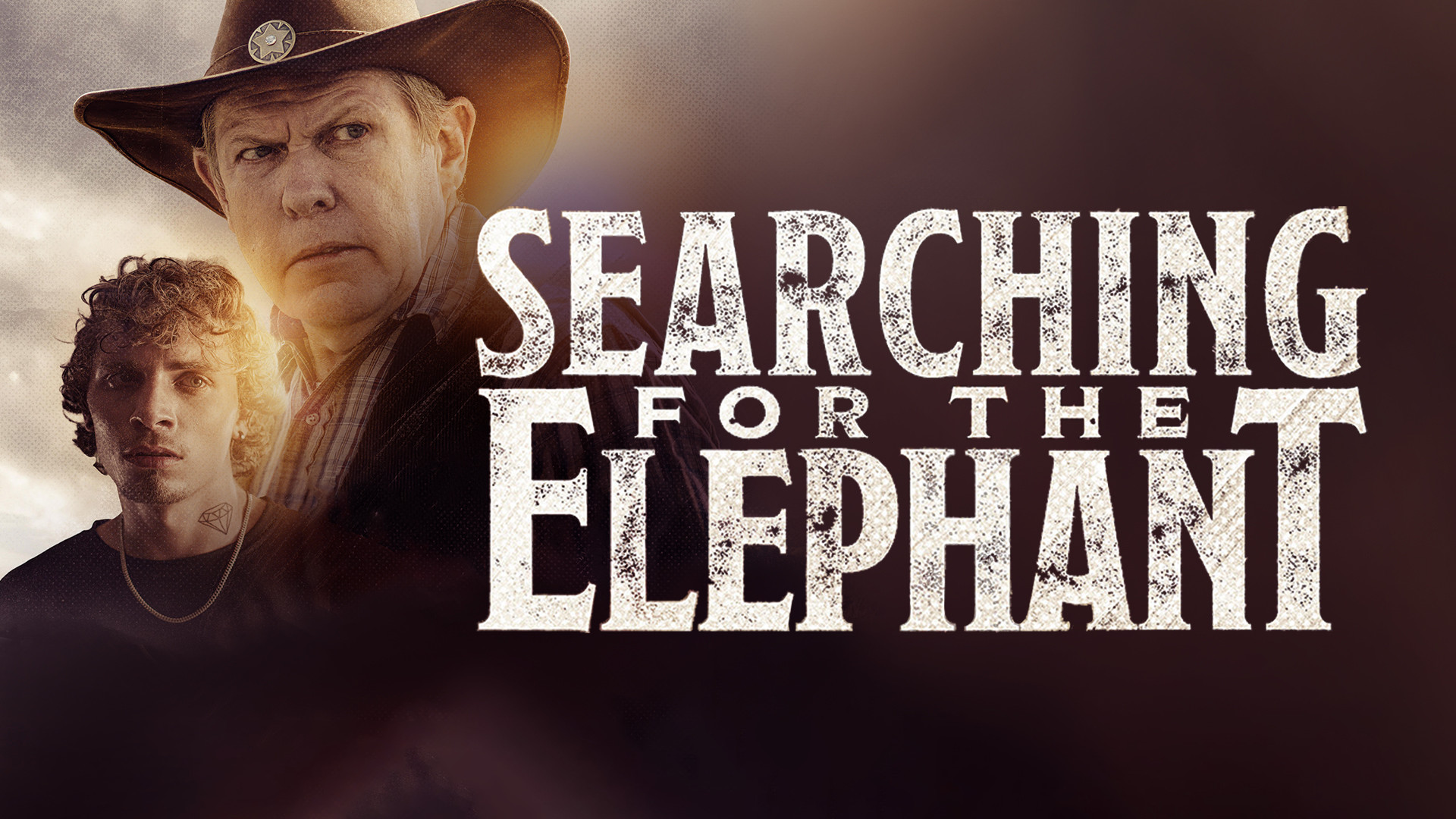
Quotes And Leadership Lessons From Searching For The Elephant
Searching for the Elephant
“He was looking for that place where he’d finally be happy.”
The title of this film refers to a “ranching” term that connects perfectly with individuals and organizations. It refers to ranchers hiring seasonal workers, many of whom are content with the work, while others are looking for the perfect job. There is evidence throughout the story that, as Jason continues to struggle with addiction, he’s searching for his future, for understanding the death of his father, and understanding himself.
Today’s world of work is filled with individuals “searching for the elephant.” It comes in multiple forms, e.g., quiet quitting, job hopping. Gallup has reported 51% “looking for new opportunities.” But according to Lucille, the widow of one of the veterans Griff knew,
“That place doesn’t exist.”
Change
What is it going to take?
You’re running out of chances.
A valuable lens for viewing this story would be change. It’s certainly evident throughout every scene, from the opening demand to Jason to the continuing challenges of his addiction and Griff’s reluctance to let go of his military past – and his rigidity. In an early scene, only three players are available for a weekly poker game. One member says, “We can just play three-handed.” Griff’s response:
I ain’t never played three-handed poker in my life.
I ain’t gonna start now.
Individuals and organizations are facing constant, accelerated change today. Resistance comes in many forms, also from individuals, leaders, and an organization’s culture. Books and programs for change management abound, as do books and programs for addressing addictions. “Searching for the Elephant” offers a thought-provoking point on this: “What’s it going to take?”
Communication
Griff’s search for his redemption leads him to Lucille, a now retired teacher, whose husband Charles was killed in the incident that haunts Griff. In response to Griff’s wanting to apologize, “It shoulda been me,” Lucille offers a classic lesson in communication.
“Stop acting like you’re God, like you’re in control!
My Charles is dead and it had very little to do with you.
If Charles hadn’t been 6’2”, he’d been in the Navy.
If Johnson hadn’t been so worried about communism,
we would have never been over there.
If Ho Chi Minh hadn’t risen to power, we would have never had a war in the first place.
I taught history for 36 years. Major Bowden. I can do this all day.
My Charles isn’t here holding my hand because he was called home by his maker.
In a podcast discussing the film, its co-author and star, Joseph Stam (Jason), reports that this scene is the one most often cited as “a favorite.” I agree. It’s a fascinating example of strong, clear communication. Something too often hidden in the messages from organizations, their leaders, and managers.
Burnout
“Same song, different verse”
Griff’s classic comment towards the end of the story fits perfectly with three connections to another very real, very serious leadership issue today: burnout. The pace of the story itself is intense, a nonstop action film of personal challenges. It’s a story that never pauses, never rests. There are vivid portrayals of Jason’s addiction and the decisions it drives, including both positive and negative moments. And Griff’s PTSD can certainly be viewed for its ongoing, long-term impact. The story does take place in a workplace setting, so it’s easy to see many burnout factors affecting both Jason and Griff.
For leaders and organizations, burnout poses many challenges in identification and response. Individuals respond uniquely to the challenges and demands. The same is true here. On one key burnout factor, emotional resilience, Jason shows little as he deals with the highs and lows of his addiction. On the other hand, Griff’s emotional resilience “seems” higher most of the time, but it is also clear that his PTSD is really one of the walls that restrain his thoughts and actions.
Love and Support
There are some powerful points in “Searching for the Elephant” that illustrate the support shown by those who love Jason, including the woman he’s attracted to (and manipulates). Helping someone doesn’t mean removing consequences, as demonstrated throughout, from Jason’s stepmother’s “tough love,” to Griff’s frequent demands that he leave, unless…
You can’t rebuild trust in one conversation, as is also demonstrated throughout, as Jason promises, apologizes, does something horrible, then “rinse and repeat.” The authors described the character as “likable and self-destructive.” I just completed a discovery learning series and a careful read of Marcus Buckingham’s new book, Design Love In. Points from the book kept occurring to me as I viewed the film. From a trauma view, Griff and Jason aren’t difficult. They’re wounded. Buckingham argues, powerfully, that “only love drives productive behavior,” whether it’s offering a product or service, caring for patients, or teaching students. His definition of love, “the deep and unwavering commitment to the flourishing of a human,” stuck with me over and over again in “Elephant.”
In a film as intense and complex as “Searching for the Elephant,” the lessons for individual and organizational leadership extend beyond the points here. Emotional intelligence, conflict management, purpose, and vision are more points of view for learning from this story. A final thought: People need something beyond immediate reality. Even if it’s uncertain. Even if it’s imperfect. Even if it’s unreachable.
Watch Searching For The Elephant Below