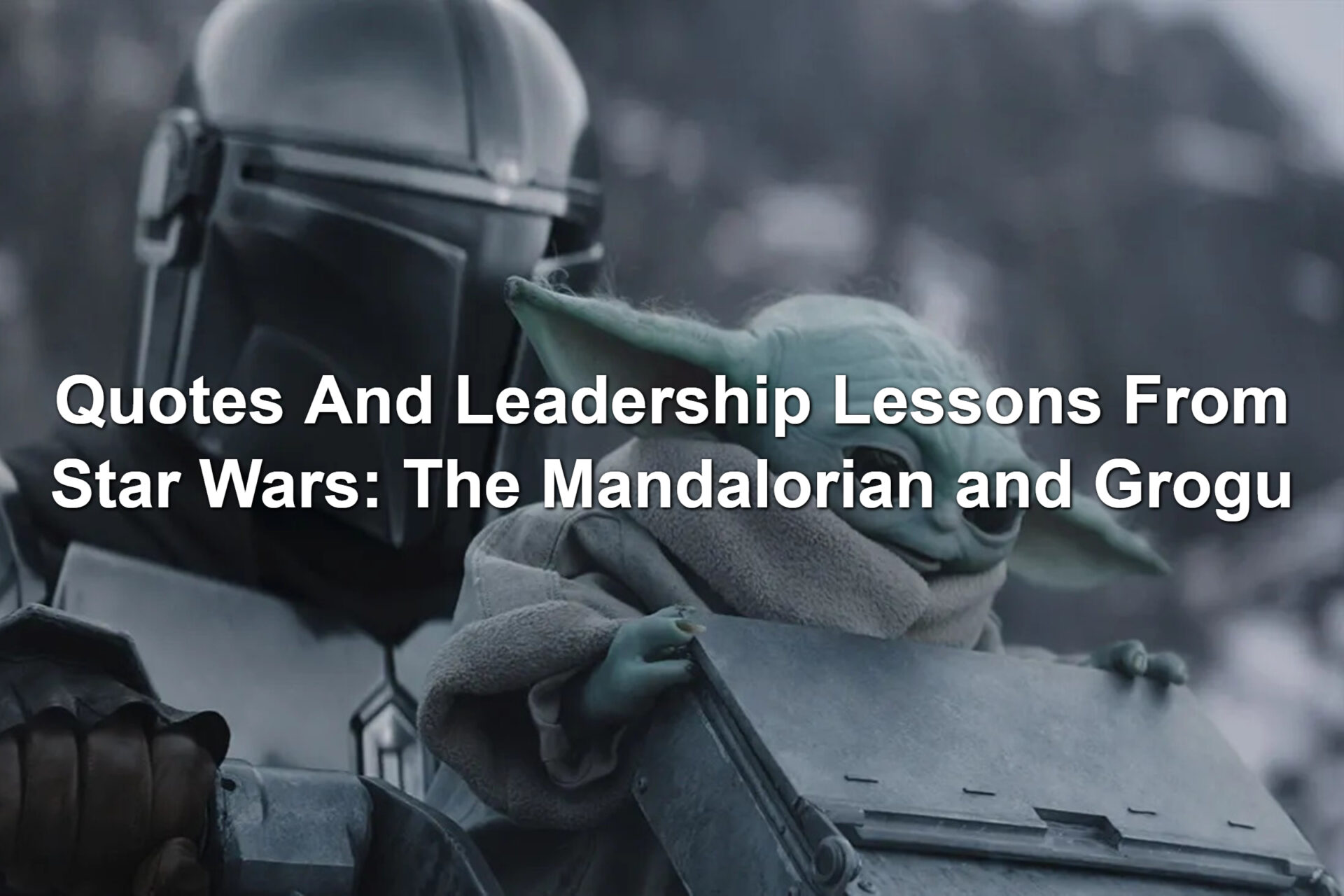
Star Wars: The Mandalorian and Grogu brings the stars of the Disney+ hit series The Mandalorian to the big screen. It’s over 2 hours of fun, thrills, and a return to the Star Wars we all longed for.
The Mandalorian Din Djarin (Pedro Pascal) and Grogu have settled down a bit after their adventures in the TV show. They’re now working for the New Republic.
What’s their role? Hunting down bad guys and collecting bounties. And that’s what this film is about: Their hunt for the evil Commander Coin (Jonny Coyne).
To reach this goal, the Mandalorian and Grogu partner with the Hutt Twins. They want the Mandalorian to hunt down their nephew, Rotta the Hutt (Jeremy Allen White). He’s Jabba the Hutt’s last remaining heir. He’s also the only one preventing the Twins from taking the throne.
The Hutt Twins promise the Mandalorian and Grogu that if they bring back Rotta the Hutt, they will give him the location of Commander Coin. They take the job, begrudgingly. Eventually, they learn something that changes their mission.
As you can imagine, Star Wars: The Mandalorian and Grogu is packed with leadership lessons. We’re going to explore some of those leadership lessons in this edition of Reel Leadership.
Quotes And Leadership Lessons From Star Wars: The Mandalorian and Grogu
1. People will think bad leadership is good at times:
The film opens with the Mandalorian and Grogu tracking down an Imperial warlord, Commander Barro (Hemky Madera). Barro has convened local leaders whom he is charging a protection fee.
What does Barro tell the leaders he’s gathered? He lies. He tells them how much better the galaxy was under the Empire’s rule.
Oof.
I’ve seen this play out in many organizations. Leaders have been groomed to talk kindly of the past, poor leadership that came before them.
These are leaders who:
- Tanked the company
- Misused company assets
- Abused employees
Why do these new leaders praise the old, corrupt leadership? Because they see what’s in it for themselves if they do. They can extort, contort, and control.
Just like the bad leadership team did.
Beware of this. If you see this play out, run. Run fast and run far.
2. Bad leaders won’t stick around when a challenge arises:
The Mandalorian and Grogu breach Imperial warlord Commander Barro’s facility on a planet very similar to the ice planet Hoth. Barro knows the Mandalorian and Grogu are getting close to capturing him.
What does he do? He passes out weapons to the local leaders. He tells them to take up arms against the bounty hunter.
Then he flees. Barro leaves the people in the room to fend for themselves while he tries to escape.
The challenge was too great for Barro.
Bad leaders don’t stick around when challenges arise. They see a challenge and they run. Or they delegate the challenge to those in the organization whom he doesn’t care about.
Great leaders stick around when the going gets tough. They’re not scared of a good challenge. They see a challenge as a chance to stretch their leadership muscles.
Stick around when a challenge arises. You might discover you’re more capable than you think.
3. Colonel Ward (Sigourney Weaver):
This isn’t about revenge. It’s about preventing another war.
Colonel Ward is a leader in the New Republic army. She’s been sending out the Mandalorian and Grogu to hunt down and capture violent threats to the Republic.
However, the Mandalorian has killed many of those threats. Threats that could have given up valuable information to the New Republic.
The Mandalorian saw his mission as a revenge mission. Colonel Ward saw the missions as an effort to prevent another war.
People will see your organization’s mission in different ways. They’ll see it through the lens of their story.
Here’s how you make sure people grab onto the vision in the way you want them to:
- Make it personal – Show them what’s in it for them
- Make it relatable – Organizational missions are often vague and have no relation to the team members trying to achieve them. Make the mission relatable.
- Make it hold weight – Colonel Ward told the Mandalorian it’s about preventing another war. That’s heavy. What’s your mission doing? What’s the weight of your mission?
You’ll tap into the heart and effort of your people when you take the three actions above.
4. Garazeb “Zeb” Orrelios (Steve Blum):
You didn’t say no, either.
Colonel Ward gives the Mandalorian his next target: Commander Coin. Coin’s identity is unknown. He’s a shadowy figure in the Empire. No one knows who he is…
Except the Hutt Twins.
Colonel Ward tells the Mandalorian he will have to complete a job for the Hutt Twins. The Mandalorian is extremely opposed to working for someone he considers evil.
Zeb says let’s take a look at the Hutt’s. The Mandalorian says he didn’t say yes to the job. Zeb then states he didn’t say no, either.
As leaders, we have to be clear in our communications. We have to let our yes be yes and our no be no.
Be as clear as you can be when communicating. The clearer you are, the more clarity you give to your team.
5. Your mission may change:
The Mandalorian was given the mission of bringing back Rotta the Hutt. When he finds Rotta, the situation is not what he expected.
Rotta is jacked. He’s a gifted fighter. He doesn’t want to leave where he is. He’s not the prisoner the Mandalorian thought he was.
That means there’s a change to the mission.
Have you ever reached the first or second stage in a project only to discover you’re not headed in the right direction? What did you do?
You changed directions. Your mission changed.
It’s okay to change your mission after you start. You’re going to find that changing course isn’t a thing to fear. Changing course is a way of leadership.
6. People will change sides quickly:
Rotta the Hutt was Lord Janu’s most beloved fighter. He had taken out countless opponents. He was ready to fight his final bout before being released from Janu’s debt.
Because the Mandalorian tried to free him, the Mandalorian would be Rotta’s next opponent.
The fight begins. The crowd cheers for Rotta. They want to see him destroy the Mandalorian.
The fight didn’t go Rotta’s way. The Mandalorian eventually bests him. However, the Mandalorian was now encouraged to kill Rotta.
The crowd erupts in a chant of:
Kill! Kill! Kill!
The crowd changed sides quickly. They turned on Rotta and embraced the Mandalorian.
You can win the hearts of your people all day, every day. However, their hearts can quickly change allegiance.
The people you lead will change sides to whom they believe will best serve them. Be the one who serves best.
7. The Mandalorian:
I made a call.
The Mandalorian doesn’t return to Colonel Ward with Rotta. Instead, he returns with Commander Coin. The real target of the mission.
Colonel Ward is upset. She tells the Mandalorian that Coin isn’t a Hutt.
He’s informed he’s now crossed the Hutts. The Hutts hold a grudge. He needs to watch out.
That doesn’t matter to the Mandalorian. He made a call. He stood behind the call.
When you make a call, you have to be willing to stand behind it. You may encounter opposition. People telling you that you made a bad call. That you did the wrong thing.
What matters here is that you believed in the call. You own the call. And you’re willing to accept the consequences.
8. The follower will become the leader at some point:
The Hutts send out Embo, a Kyuzo, after the Mandalorian and Grogu. They want their heads on a platter.
Embo reminds me of a samurai. He’s got the cool looks. Great moves. And he originally appeared in episode 17 of season 2 of The Clone Wars, titled “Bounty Hunters”.
Embo captures the Mandalorian. This leaves Grogu without his leader.
What happens next? Grogu devises a plan to get the Mandalorian back. Grogu takes charge. He becomes a leader.
After rescuing the Mandalorian, the Mandalorian tells Grogu:
The old protect the young. Then the young protect the old.
It’s the story of leadership.
When there’s an opportunity to step up, your team members will. You will have to trust them to get the job done when you’re not there… or around to lead anymore.
Your people will need to become leaders at some point. Be there to teach and train them. You’ll give them the best possible chance to succeed.
9. Be kind:
Bilgo “Gatori” Sturgeons is a swamp-dwelling creature on the planet of Nal Hutta, the planet of the Hutts. Grogu encounters him when he’s searching for food. Grogu steals a single fish without Gatori noticing. Or so he thought.
Grogu returns to Gatori’s hutt later to steal another fish. He’s hungry and needs to eat. This time, Gatori lets Grogu know he sees him.
Instead of chastising Grogu, he welcomes him in. He offers him a fish. He even protects him from Embo.
That’s kindness.
We don’t have to punish everyone for every wrong they commit. We can choose when to lay down the law and when to show kindness.
My opinion? We need to show kindness and grace more often than we lay down the law.
Be a kind leader.
10. The Mandalorian:
Your turn.
The Mandalorian had never let Grogu pilot his ship, The Razorcrest. Grogu had shown interest and tried to in the past. Yet, the Mandalorian wouldn’t let him.
After the events of the movie, the Mandalorian calls Grogu to the pilot seat. He tells Grogu it’s his turn now.
Grogu engages the hyperdrive and off they go.
At some point, you have to relinquish control. You have to be willing to step aside and let others lead.
Offer your team members small chances to lead. The more you give them, the more they’ll understand the responsibility you’re handing over to them.
More importantly, your team members will see the potential you see in them.
Tell your team member that it’s their turn to step up.